
Call for a Free Consultation 630-416-7600 ♦ Calls Answered 24/7


-
- Home
- About
- Criminal Defense
- Drug Charges
- Asset Forfeiture Laws
- Cocaine
- College Student Drug Crimes
- Crack
- Drug Court
- Drug Paraphernalia Charges
- Drug Possession
- Drug Possession with Intent to Deliver
- Drug Trafficking
- First Offender Probation
- Heroin
- Manufacture and Delivery of Drugs
- Marijuana
- Marijuana Grow Houses
- Methamphetamine
- Opiates
- OxyContin and Oxycodone
- Prescription Drugs
- TASC Probation
- West Side of Chicago Heroin Charges
- DUI Defense
- Expungements and Sealing
- Federal Criminal Defense
- Juvenile Offenses
- Probation Violations
- Property Crimes
- Sexual Offenses
- Traffic Violations
- Violent Crimes
- White Collar Crimes
- Drug Charges
- Personal Injury
- Articles
- Testimonials
- Blog
- Contact
The Role of Field Sobriety Tests in Illinois DUI Arrests
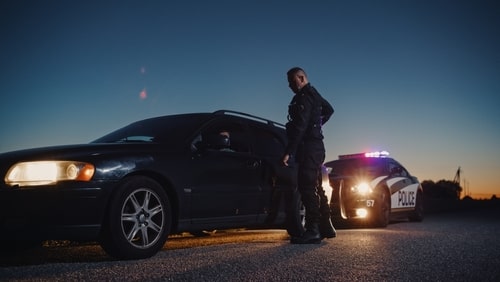
Field sobriety tests are voluntary during most alcohol-related DUI stops in Illinois. They don't precisely measure impairment. Sober people can perform poorly on these tests for many different reasons. Still, prosecutors use that roadside performance as evidence, so how the tests were given and scored matters to your case. If you’re facing a DUI charge in 2026, our Naperville DUI defense lawyer can help you build a case to fight it, even if you failed the field sobriety tests.
What Are the Three Standardized Field Sobriety Tests Used in Illinois?
Officers in Illinois and across the country use three standardized tests. Each test has specific signs, called clues, that officers look for:
- The horizontal gaze nystagmus test has the officer move a pen or light while watching your eyes for involuntary jerking. The officer looks for six clues, three in each eye.
- The walk-and-turn requires nine heel-to-toe steps along a real or imaginary line, a specific turn, and nine steps back. Eight clues are possible, including starting too soon, stepping off the line, and using arms for balance.
- The one-leg stand requires holding one foot about six inches off the ground while counting aloud. Four clues are possible, including swaying, hopping, and putting the foot down.
Officers also use non-standardized tests. These might include reciting the alphabet, counting backward, or touching a finger to the nose. These are not part of the three standardized tests and are evaluated separately.
Can You Refuse Field Sobriety Tests During an Illinois DUI Stop?
In most alcohol-related DUI investigations, you can decline roadside field sobriety tests without an automatic license suspension. However, an officer may still arrest you based on other evidence. A court can also consider your refusal when deciding whether the officer had enough evidence to arrest you.
Chemical testing after a DUI arrest is different. Under Illinois implied consent law, 625 ILCS 5/11-501.1, refusing a properly requested breath, blood, or urine test after a DUI arrest can lead to an automatic license suspension. The officer must warn you about the consequences of refusing. The small handheld breath device sometimes offered at the roadside is different from the breath test used after an arrest. You can refuse that test. Its results mainly guide the officer's investigation.
Why Can Sober Drivers Perform Poorly on Illinois Field Sobriety Tests?
These tests measure balance, coordination, and the ability to follow spoken instructions. Several things besides alcohol can affect your performance:
- Inner ear conditions or vertigo
- Back, knee, hip, or ankle injuries
- Neurological conditions or certain medications
- Age or physical limitations that affect balance
- Uncomfortable shoes or high heels
- Uneven pavement, gravel, or sloped roads
- Rain, wind, cold, or bright headlights
- Exhaustion after a long shift or drive
- Nervousness during a police stop
These factors might help explain why an officer saw signs of impairment in someone sober.
What Mistakes Can Illinois Police Make During Field Sobriety Tests?
Field sobriety tests follow specific instructions. Mistakes in giving or scoring them can make the results less reliable.
An officer might rush the instructions or skip a demonstration. An officer might give the walk-and-turn and one-leg stand on uneven ground or overlook an injury or medical condition that affects your ability to complete a test. The officer may also overlook an injury or medical condition that affects your ability to complete a test.
During the eye test, moving the pen or light too quickly can make it harder to accurately check for involuntary eye movements. An officer might also record a clue that the standardized scoring rules do not recognize.
Police video helps show what happened. It can show whether instructions were clear, the surface was suitable, or the report matches your performance. Requesting squad and body camera footage early helps preserve useful evidence.
How Can Field Sobriety Test Results Affect an Illinois DUI Case?
First, officers may consider your performance when deciding whether they have probable cause to arrest you. Your attorney can review all the circumstances, including driving behavior, statements, and roadside observations. If the arrest was unlawful, the judge could prevent prosecutors from using some evidence gathered afterward. Poor testing alone does not guarantee that result.
Second, field sobriety test results can serve as evidence of impairment at trial. A person can be convicted of alcohol-related DUI without a chemical test if the prosecution proves alcohol affected their ability to drive safely.
Your attorney can review the officer's training and how the tests were performed. Before Illinois courts allow eye test results as evidence, prosecutors must show that a trained officer followed proper testing procedures. The officer's qualifications and compliance with testing procedures matter.
Schedule a Free Consultation With Our DuPage County, IL Criminal Defense Attorney
Attorney Phil Nathe is a former Assistant State's Attorney in DuPage County with over 25 years of legal experience. He’s seen DUI cases from both sides of the courtroom. He can review the officer's report, available video, and test procedures to identify possible defenses.
Contact Law Office of Philip R. Nathe at 630-416-7600 to talk to our Naperville DUI defense lawyer today.





Schedule a Free Consultation 24/7
If you are facing criminal charges, take action to ensure your rights are protected. Call us at 630-416-7600 or fill out the form below.
 The use of the Internet or this form for communication with the firm or any individual member of the firm does not establish an attorney-client relationship. Confidential or time-sensitive information should not be sent through this form.
I have read and understand the Disclaimer and Privacy Policy.


From our Naperville law office, our firm represents clients throughout DuPage County and the surrounding areas, including Wheaton, West Chicago, Warrenville, Aurora, Winfield, Glen Ellyn, Carol Stream, Glendale Heights, Bloomingdale, Addison, Itasca, Wood Dale, Elmhurst, Lombard, Villa Park, Oak Brook, Oakbrook Terrace, Downers Grove, Lisle, Westmont, Hinsdale, Willowbrook, Darien, and Woodridge.
Results listed are not a guarantee or indication of future case results.
552 South Washington St., Suite 107, Naperville, IL 60540
630-416-7600

