
Call for a Free Consultation 630-416-7600 ♦ Calls Answered 24/7


-
- Home
- About
- Criminal Defense
- Drug Charges
- Asset Forfeiture Laws
- Cocaine
- College Student Drug Crimes
- Crack
- Drug Court
- Drug Paraphernalia Charges
- Drug Possession
- Drug Possession with Intent to Deliver
- Drug Trafficking
- First Offender Probation
- Heroin
- Manufacture and Delivery of Drugs
- Marijuana
- Marijuana Grow Houses
- Methamphetamine
- Opiates
- OxyContin and Oxycodone
- Prescription Drugs
- TASC Probation
- West Side of Chicago Heroin Charges
- DUI Defense
- Expungements and Sealing
- Federal Criminal Defense
- Juvenile Offenses
- Probation Violations
- Property Crimes
- Sexual Offenses
- Traffic Violations
- Violent Crimes
- White Collar Crimes
- Drug Charges
- Personal Injury
- Articles
- Testimonials
- Blog
- Contact
What Happens if Police Accuse You of Selling Drugs to an Undercover Officer?
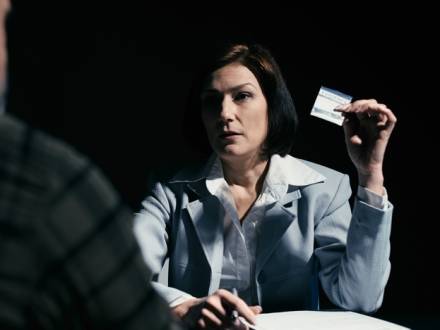
Selling drugs to an undercover officer can lead to felony charges in Illinois. The officer's identity is not a defense. Police can use recordings, marked money, and surveillance to build a case. However, that evidence still needs careful review. An attorney can check whether officers identified the right person, obtained evidence legally, or improperly pressured someone into a sale. If you are facing undercover drug charges in 2026, a Naperville drug possession with intent to deliver defense lawyer can examine what happened.
What Charges Can Follow an Undercover Drug Sale in Illinois?
Under 720 ILCS 570/401, Illinois makes it illegal to knowingly deliver certain controlled substances or possess them with intent to deliver. Delivery does not require payment. Illinois defines it to include transferring drugs directly or indirectly to another person, or attempting to do so.
The penalties depend on the type and weight of the drug. For cocaine or heroin, less than one gram generally means a Class 2 felony. One gram to less than 15 grams is a Class 1 felony. Selling 15 grams to less than 100 grams is a Class X felony. That carries six to 30 years in prison. Larger amounts can bring longer sentences.
Location can affect penalties too. Under 720 ILCS 570/407, certain sales near schools, parks, or places of worship carry greater punishment. The exact location and legal requirements matter. Anyone who knowingly helped arrange the sale can also face charges.
What Evidence Do Police Use in Undercover Drug Cases?
Undercover cases can involve several types of evidence:
-
Audio or video recordings of the alleged transaction
-
Surveillance footage and photographs
-
Marked cash used during a controlled purchase
-
Laboratory results identifying the substance and its weight
-
Phone records, text messages, and call logs
-
Police reports and records showing who handled the drugs
-
Statements from undercover officers or confidential informants
Confidential informants deserve particular attention. Informants help police investigate crimes. Some receive money or hope for help with their own charges. An attorney can examine any benefits the person received and whether their account matches the other evidence.
Police do not have to record every purchase. Testimony can be enough. Still, recordings and messages can reveal important gaps or disagreements about what happened. An attorney can also check how police collected, stored, and tested the alleged drugs.
When Can Entrapment Be a Defense to an Undercover Drug Sale?
Entrapment means police improperly pushed someone into committing a crime they were not already willing to commit. Police can ask about buying drugs and give someone an opportunity to sell them. That alone is not entrapment. The question is whether officers or their informants persuaded an unwilling person to commit the offense.
Repeated pressure after someone refused can support the defense. So can appeals to sympathy or friendship. However, a person's willingness to arrange a sale, negotiate a price, or obtain drugs can weaken the argument.
Illinois requires a defendant to acknowledge committing the charged offense before raising entrapment. An attorney can explain the risks of this approach.
What Other Defenses Apply to Undercover Drug Charges in Illinois?
An attorney can challenge whether police identified the correct person. Poor video or unclear testimony can raise doubts about who made the exchange.
The State also has to prove the substance and amount charged. Laboratory testing, weighing, and records showing who handled the evidence can all be reviewed. Mistakes can affect the charge or possible sentence.
Police need a lawful reason to search a home, car, or phone. Evidence found through an illegal search can sometimes be excluded. Missing or incomplete recordings can also leave questions about what was said.
Someone who was merely present is not automatically responsible for another person's sale. Prosecutors need evidence that the person intentionally helped commit the crime or joined a shared plan.
Schedule a Free Consultation With Our Naperville, IL Drug Crimes Defense Attorney
Attorney Phil Nathe is a former Assistant State’s Attorney in DuPage County with more than three decades of legal experience. His background helps him examine police reports, recordings, and witness accounts from both sides of a case.
If you are accused of selling drugs to an undercover officer in 2026, our firm can review the evidence and help you prepare a defense. Contact Law Office of Philip R. Nathe at 630-416-7600 to talk to our Naperville drug possession with intent to deliver defense lawyer today.



Schedule a Free Consultation 24/7
If you are facing criminal charges, take action to ensure your rights are protected. Call us at 630-416-7600 or fill out the form below.
 The use of the Internet or this form for communication with the firm or any individual member of the firm does not establish an attorney-client relationship. Confidential or time-sensitive information should not be sent through this form.
I have read and understand the Disclaimer and Privacy Policy.


From our Naperville law office, our firm represents clients throughout DuPage County and the surrounding areas, including Wheaton, West Chicago, Warrenville, Aurora, Winfield, Glen Ellyn, Carol Stream, Glendale Heights, Bloomingdale, Addison, Itasca, Wood Dale, Elmhurst, Lombard, Villa Park, Oak Brook, Oakbrook Terrace, Downers Grove, Lisle, Westmont, Hinsdale, Willowbrook, Darien, and Woodridge.
Results listed are not a guarantee or indication of future case results.
552 South Washington St., Suite 107, Naperville, IL 60540
630-416-7600

