
Call for a Free Consultation 630-416-7600 ♦ Calls Answered 24/7


-
- Home
- About
- Criminal Defense
- Drug Charges
- Asset Forfeiture Laws
- Cocaine
- College Student Drug Crimes
- Crack
- Drug Court
- Drug Paraphernalia Charges
- Drug Possession
- Drug Possession with Intent to Deliver
- Drug Trafficking
- First Offender Probation
- Heroin
- Manufacture and Delivery of Drugs
- Marijuana
- Marijuana Grow Houses
- Methamphetamine
- Opiates
- OxyContin and Oxycodone
- Prescription Drugs
- TASC Probation
- West Side of Chicago Heroin Charges
- DUI Defense
- Expungements and Sealing
- Federal Criminal Defense
- Juvenile Offenses
- Probation Violations
- Property Crimes
- Sexual Offenses
- Traffic Violations
- Violent Crimes
- White Collar Crimes
- Drug Charges
- Personal Injury
- Articles
- Testimonials
- Blog
- Contact
Can the Police Lie to You about Having Evidence?
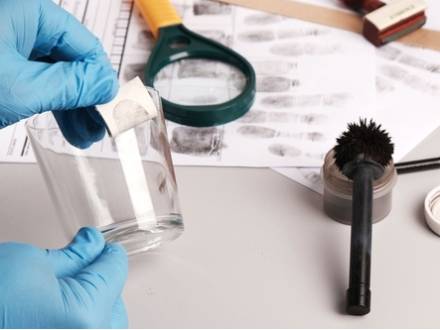 In many situations, police officers are legally allowed to lie about having evidence during a criminal investigation. Their tactics are often used to pressure people into talking or making statements. Knowing how this works is important, especially if you are being questioned. The Naperville, IL criminal defense lawyer at Law Office of Philip R. Nathe can help you understand your rights and protect you during a police investigation.
What Types of Lies About Evidence Do Police Commonly Use in a Criminal Investigation?
Police deception often sounds believable and confident. Officers are trained to speak in ways that create a sense of pressure and urgency. Common examples include:
-
Claiming they have surveillance video linking you to a crime
-
Saying your fingerprints or DNA were found at the scene
-
Stating that another person already accused you
-
Suggesting that the evidence will look worse if you do not explain yourself
These statements may be completely false. They are often designed to get a reaction or a confession.
Are There Limits on Police Lying During Interrogations in Illinois?
While police can lie about evidence, they cannot cross certain legal lines. Courts focus on whether a person’s statement was given freely and without improper pressure. Illinois law requires judges to review the full circumstances surrounding a confession to determine whether it is valid and therefore admissible.
Under 725 ILCS 5/114-11, courts must decide whether a statement was voluntary. They assess whether police conduct during questioning was coercive or misleading in a way that overpowered the person’s will.
Police generally cannot threaten harm or illegal punishment to force a statement. They also cannot promise guaranteed outcomes in exchange for a confession. Once someone clearly asks for a lawyer, questioning must stop. The same is true if a person clearly invokes the right to remain silent.
Can a Police Lie Make a Confession Invalid in a Criminal Investigation?
An involuntary confession is the most common way a statement becomes invalid. How questioning is documented can also matter. Under 725 ILCS 5/103-2.1, Illinois requires custodial interrogations to be recorded in many felony cases, and failures to follow this rule can affect whether a confession is admitted in court.
However, many confessions obtained through lies about evidence are still allowed. Courts often rule that deception alone is not enough to make a statement invalid. This is why relying on police honesty is risky. Once a statement is made, it can be difficult to undo.
Should You Talk to the Police if They Claim to Have Evidence?
You are not required to talk to the police simply because they say they have evidence. Speaking without legal guidance can lead to misunderstandings, misstatements, or admissions that are taken out of context.
You have the right to remain silent and the right to ask for a lawyer. Using those rights cannot legally be held against you. Waiting to speak until you have legal guidance is often the safest choice.
What Should You Do If Police Say They Have Evidence Against You?
Now you know that when the police say they have evidence against you, that claim is not always true. You are not required to defend yourself during questioning. You also do not have to explain, deny, or correct what the police suggest.
The safest steps usually include:
-
Do not argue about the evidence or try to explain it away.
-
Do not guess or fill in gaps when you are unsure.
-
Clearly state that you are choosing to remain silent.
-
Ask to speak with a lawyer before answering any questions.
Once a statement is made, it can be used later, even if the evidence the police described turns out to be false. Waiting for legal guidance helps protect you from saying something that could be misunderstood or taken out of context.
Schedule a Free Consultation With Our Naperville, IL Criminal Defense Attorney
At Law Office of Philip R. Nathe, we help people understand their rights during criminal investigations and police questioning. Attorney Philip R. Nathe has over 25 years of legal experience that he brings to criminal defense cases. As a former Assistant State’s Attorney in DuPage County, he understands how cases are built from both the prosecution and defense sides. That perspective matters when statements, confessions, or police tactics are involved.
If police have contacted you or questioned you about evidence, call 630-416-7600 to schedule a free consultation with our Naperville, IL criminal defense lawyer today.




Schedule a Free Consultation 24/7
If you are facing criminal charges, take action to ensure your rights are protected. Call us at 630-416-7600 or fill out the form below.
 The use of the Internet or this form for communication with the firm or any individual member of the firm does not establish an attorney-client relationship. Confidential or time-sensitive information should not be sent through this form.
I have read and understand the Disclaimer and Privacy Policy.


From our Naperville law office, our firm represents clients throughout DuPage County and the surrounding areas, including Wheaton, West Chicago, Warrenville, Aurora, Winfield, Glen Ellyn, Carol Stream, Glendale Heights, Bloomingdale, Addison, Itasca, Wood Dale, Elmhurst, Lombard, Villa Park, Oak Brook, Oakbrook Terrace, Downers Grove, Lisle, Westmont, Hinsdale, Willowbrook, Darien, and Woodridge.
Results listed are not a guarantee or indication of future case results.
552 South Washington St., Suite 107, Naperville, IL 60540
630-416-7600

